Unleash the Power of Prioritization: Discover the Pyramid of Product Development and Improve Your Product's Success
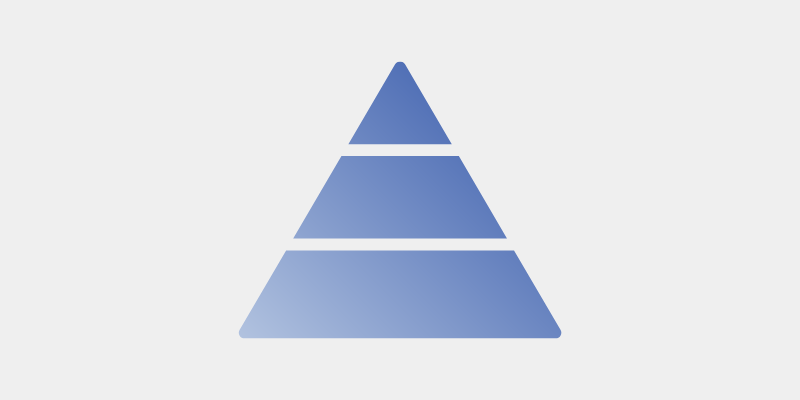
The Pyramid of Product Prioritization is a model used in product development to prioritize tasks and decisions based on importance and impact.
The pyramid consists of four levels, starting with the most critical tasks at the top and less critical ones at the bottom.
-
The top level is “Must-haves” which includes tasks that are essential for the success of the product. For example, security and privacy features.
-
The second level is “Should-haves” which includes important tasks that should be done but are not as critical as the first level. For example, user experience and design.
-
The third level is “Nice-to-haves” which includes tasks that would improve the product but are not essential. For example, additional features or customization options.
-
The bottom level is “Won’t-haves” which includes tasks that are not important and can be deferred or dropped. For example, non-critical integrations or add-ons.
By using the Pyramid of Product Prioritization, teams can make data-driven decisions on where to focus their efforts and resources.
The pyramid helps ensure that the most critical tasks are completed first and the less important ones are deferred or dropped if necessary.
It helps teams to focus on what's important, prioritize resources and make the most out of limited time and budget.
So, next time you're developing a product, remember the Pyramid of Product Prioritization and prioritize tasks based on importance and impact!